Resource Topic: Evaluation and Research

Refine Results

FIRST PUBLISHED
RESOURCE TYPE
TOPIC
TARGET AUDIENCE
PUBLISHED BY
POPULATION
LANGUAGE

PUBLISHED BY:

A research/evaluation after-action learning review is a process of reflection (via meeting, workshop, or other form of consultation) at the end of a research or evaluation project. Its goal is to reflect not on the program or policy studied, but on the design and implementation of the research/evaluation project itself. Learning from these meetings is […]

PUBLISHED BY:

Research and evaluation projects are more likely to be successful if they are adequately resourced. The full cost of such a project goes beyond the staff hours needed to collect the necessary data. This tipsheet and checklist help you plan an appropriate budget for your research or evaluation project, prompting you to consider potential expenses […]

PUBLISHED BY:

Does your organization aspire to do research? Going beyond routine program monitoring and evaluation, research is a systematic investigation conducted to contribute to or fill a gap in evidence or knowledge. Impact evaluations are common research projects in refugee resettlement work. Regardless of the motivation, research including impact evaluations can be difficult for an organization […]

PUBLISHED BY:

Webinar Overview: Collecting and using client feedback data is essential to strong program design and implementation. However, it can be difficult for newcomer service providers to do so effectively, particularly with limited resources. This webinar presented the basics of collecting and using client feedback. In addition to traditional data collection approaches such as surveys and […]

PUBLISHED BY:

Meaningful informed consent entails more than a participant’s signature on a consent form. The steps that we take for obtaining consent are crucial to safeguarding participants’ dignity, autonomy and well-being, especially when collecting data from vulnerable populations. This template is intended to serve as a starting point when developing a consent form for a research […]

PUBLISHED BY:

Does your organization aspire to do research? Going beyond routine program monitoring and evaluation, research is a systematic investigation conducted to contribute to or fill a gap in evidence or knowledge. Impact evaluations are common research projects in refugee resettlement work. Regardless of the motivation, research including impact evaluations can be difficult for an organization […]

PUBLISHED BY:

To be successful, evaluation and research projects must be adequately resourced. Allocating sufficient funds for the staff involved in the project, including members of your own team and any partners or consultants, is a crucial component of budgeting. The Research/Evaluation Time & Effort Calculator can help estimate the number and time and effort percentage of […]

PUBLISHED BY:

Collecting high-quality data is essential in refugee service work, whether for client needs assessments, program evaluations, or organizational learning. But sometimes even well-intentioned surveys can unintentionally create stress, reduce trust, or compromise the accuracy of the data collected. Switchboard’s Trauma-Informed Survey Toolkit (TIST) was developed to help service providers design surveys that are safe, respectful, […]

The Society of Refugee Healthcare Providers organizes the International Refugee & Migration Health Conference (IRMHC), which is the largest refugee health conference globally. Annually, IRMHC brings together health care professionals, resettlement and service providers, researchers, community members, students, policy makers, and public health professionals. The 2025 IRMHC was hosted in Halifax, Nova Scotia, Canada, and […]

PUBLISHED BY:

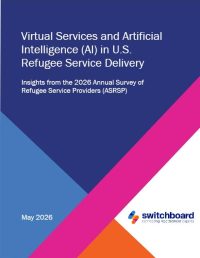
The U.S. refugee resettlement system is evolving rapidly. Shifting policies and new technologies are reshaping how services are delivered, often in ways that directly impact both refugees and the service providers who support them. Yet despite their central role, the voices of service providers are rarely captured systematically. Without their perspective, policymakers and program leaders […]