Resource Type: Tool or Template

Refine Results

FIRST PUBLISHED
RESOURCE TYPE
TOPIC
TARGET AUDIENCE
PUBLISHED BY
POPULATION
LANGUAGE

PUBLISHED BY:

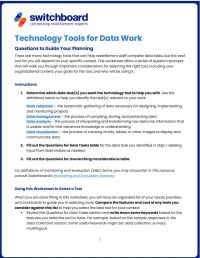
There are many technology tools that can help resettlement staff complete data tasks, but the best tool for you will depend on your specific context. This worksheet offers a series of question prompts that will walk you through important considerations for selecting the right tool, including your organizational context, your goals for the tool, and […]

PUBLISHED BY:

Logic models, including theories of change and logical frameworks (logframes) are valuable project design tools that can help you plan effective resettlement programming. This resource offers three templates you can use or adapt for creating your theory of change, and three for creating your logframe. Each includes examples to guide you in completing your logic […]

PUBLISHED BY:

This guide summarizes, as of May 2026, the benefits certain humanitarian immigrants may qualify for through the Office of Refugee Resettlement (ORR), including cash and medical assistance, employment services, English language instruction, and other federally funded programs. It outlines available supports for families with children, adults without minor children, older adults, and individuals with disabilities, […]

PUBLISHED BY:

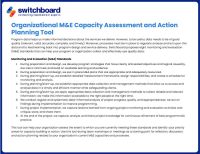
Program data can help us make informed decisions about the services we deliver. However, to be useful, data needs to be of good quality (relevant, valid, accurate, complete, and timely) and processes must be in place to regularly analyze and act upon this data and to feed learning back into program design and service delivery. […]

PUBLISHED BY:

A research/evaluation after-action learning review is a process of reflection (via meeting, workshop, or other form of consultation) at the end of a research or evaluation project. Its goal is to reflect not on the program or policy studied, but on the design and implementation of the research/evaluation project itself. Learning from these meetings is […]

PUBLISHED BY:

Does your organization aspire to do research? Going beyond routine program monitoring and evaluation, research is a systematic investigation conducted to contribute to or fill a gap in evidence or knowledge. Impact evaluations are common research projects in refugee resettlement work. Regardless of the motivation, research including impact evaluations can be difficult for an organization […]

PUBLISHED BY:

An end-of-project learning meeting is a meeting, workshop, or other form of consultation that takes place at the end of a project or project cycle. Its goal is to reflect on successes and challenges and capture project learning to inform future programming. You can use this template as a guide when planning end-of-project learning meetings […]

PUBLISHED BY:

Welcoming a youth into one’s home can feel overwhelming, and caregivers may be unsure where to start. This checklist is designed for service providers helping licensed foster parents (and caregivers in the licensing process) to welcome youth in the Unaccompanied Refugee Minor (URM) Program into their home. Providers can give caregivers this checklist to prepare […]

PUBLISHED BY:

Meaningful informed consent entails more than a participant’s signature on a consent form. The steps that we take for obtaining consent are crucial to safeguarding participants’ dignity, autonomy and well-being, especially when collecting data from vulnerable populations. This template is intended to serve as a starting point when developing a consent form for a research […]

PUBLISHED BY:

To deliver data-driven, evidence-based programs for refugees, we need to ask the right questions and gather the right information. Data collection methods determine the type of information we can gather and influence data quality, affect the conclusions we’re able to draw, and have budget implications. Each data collection method has its pros and cons. To […]