Resource Topic: Data Collection

Refine Results

FIRST PUBLISHED
RESOURCE TYPE
TOPIC
TARGET AUDIENCE
PUBLISHED BY
POPULATION
LANGUAGE

PUBLISHED BY:

Thoughtful data collection is essential whether your goal is to carry out research, conduct evaluations, or monitor program performance and impact. A clear, intentional data collection plan helps us make sure we can collect the information we need, draw useful conclusions about our programs, and inform program budgets, staffing needs, and timelines. This document presents […]

PUBLISHED BY:

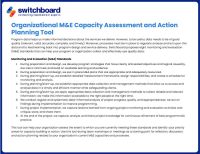
Program data can help us make informed decisions about the services we deliver. However, to be useful, data needs to be of good quality (relevant, valid, accurate, complete, and timely) and processes must be in place to regularly analyze and act upon this data and to feed learning back into program design and service delivery. […]

PUBLISHED BY:

A logic model is a tool that visually depicts the rationale behind an intervention. Logic models show how the activities you plan to implement can lead to the changes you hope to see. This tipsheet introduces the two most common types of logic models used for project design in resettlement work, theories of change and […]

PUBLISHED BY:

Logical frameworks, known as logframes, are project design tools that help you clearly outline the data you plan to collect to measure the results of a project. While logframes are sometimes required for grant proposals, you can also use them to support internal learning by planning to collect data that best helps you understand whether […]

PUBLISHED BY:

In resettlement work, when staff time and capacity are limited, data-related tasks can sometimes feel much less important than delivering services to clients. Staff in charge of data entry may feel overwhelmed by other responsibilities or feel a duty to prioritize client-facing work. On the other hand, staff in charge of managing data quality may […]

PUBLISHED BY:

Webinar Overview: Collecting and using client feedback data is essential to strong program design and implementation. However, it can be difficult for newcomer service providers to do so effectively, particularly with limited resources. This webinar presented the basics of collecting and using client feedback. In addition to traditional data collection approaches such as surveys and […]

PUBLISHED BY:

Meaningful informed consent entails more than a participant’s signature on a consent form. The steps that we take for obtaining consent are crucial to safeguarding participants’ dignity, autonomy and well-being, especially when collecting data from vulnerable populations. This template is intended to serve as a starting point when developing a consent form for a research […]

PUBLISHED BY:

To deliver data-driven, evidence-based programs for refugees, we need to ask the right questions and gather the right information. Data collection methods determine the type of information we can gather and influence data quality, affect the conclusions we’re able to draw, and have budget implications. Each data collection method has its pros and cons. To […]

PUBLISHED BY:

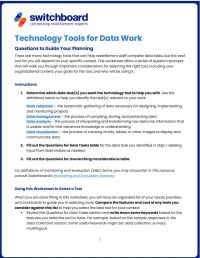
To deliver data-driven, evidence-based programs for refugees, we need to ask the right questions and gather the right information. To collect the most useful data, take time to carefully plan out what you want to know by identifying questions you want to answer. Be clear on why those questions matter, then identify the data you […]

PUBLISHED BY:

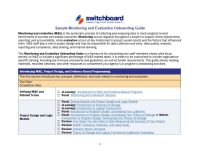
An indicator matrix (also referred to as a monitoring and evaluation framework) is ideally part of a monitoring and evaluation (M&E) plan, though it is often developed at the start of the grant or program. This tool outlines the data points you plan to use to measure the success of an intervention, known as indicators. […]