Resource Type: Tip Sheet

Refine Results

FIRST PUBLISHED
RESOURCE TYPE
TOPIC
TARGET AUDIENCE
PUBLISHED BY
POPULATION
LANGUAGE

PUBLISHED BY:

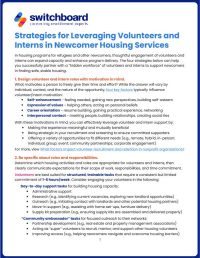
In housing programs for refugees and other newcomers, thoughtful engagement of volunteers and interns can expand capacity and enhance program delivery. The four strategies below can help you successfully partner with a “hidden workforce” of volunteers and interns to support newcomers in finding safe, stable housing.

PUBLISHED BY:

Professionals working with refugees and other newcomers are often driven by a strong sense of responsibility, but unrealistic expectations and unclear boundaries can lead to burnout and reduced effectiveness. Trauma-informed care (TIC) reminds us that client support and staff well-being are deeply interconnected. The four tips below offer guidance for maintaining empathy and clear professional […]

PUBLISHED BY:

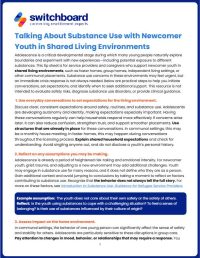
Substance use concerns among newcomer youth in shared living environments require a thoughtful, non-clinical response that balances household stability with individual support. This tip sheet is designed for service providers and caregivers supporting newcomer youth in foster homes, group homes, independent living settings, or other communal placements. The resource walks through six practical steps: setting […]

This checklist is designed to support refugee service providers in collaborating with health care providers to facilitate newcomers’ health care access. It is meant as a starting point, not a comprehensive list. Feel free to change or add items as necessary. Note that this checklist is not a compliance tool for any specific grant or program; always reference your grant agreement and terms for specific program requirements. For […]

PUBLISHED BY:

Changes in funding, staffing, program policies, and service availability can leave referral information outdated or unclear. When contacts or services are hard to confirm, staff may spend more time searching for information and newcomers may wait longer for support. This tip sheet provides practical steps to help you strengthen your referral network to ensure newcomers […]

TOPIC:

SUBTOPIC:

PUBLISHED BY:

This tip sheet will help you incorporate digital literacy into your case management practice to support newcomer clients in building self-sufficiency. When clients improve their digital literacy skills, they gain confidence and are better equipped to engage with you, other service providers, and their new communities. Use the tips and resources below in coordination with […]

PUBLISHED BY:

A logic model is a tool that visually depicts the rationale behind an intervention. Logic models show how the activities you plan to implement can lead to the changes you hope to see. This tipsheet introduces the two most common types of logic models used for project design in resettlement work, theories of change and […]

PUBLISHED BY:

Service providers who want to build healthy working relationships with clients must establish clear boundaries early and maintain them throughout the service period. Appropriate boundaries are crucial to trauma-informed care. They help set realistic expectations for the service relationship and engender safety and accountability for clients and staff alike. Saying “no” or setting limits can […]

PUBLISHED BY:

Research and evaluation projects are more likely to be successful if they are adequately resourced. The full cost of such a project goes beyond the staff hours needed to collect the necessary data. This tipsheet and checklist help you plan an appropriate budget for your research or evaluation project, prompting you to consider potential expenses […]

PUBLISHED BY:

This tip sheet provides practical guidance for service providers and caregivers, such as foster parents. It focuses on supporting the mental and behavioral health of newcomer teens and emerging adults, including youth in the Unaccompanied Refugee Minor (URM) program. This guidance is not a clinical or diagnostic tool. Instead, it encourages noticing changes, listening with […]