Published By: Monitoring and Evaluation Technical Assistance (META)

Refine Results

FIRST PUBLISHED
RESOURCE TYPE
TOPIC
TARGET AUDIENCE
PUBLISHED BY
POPULATION
LANGUAGE

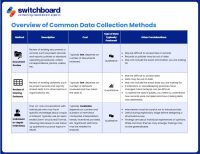
To deliver data-driven, evidence-based programs for refugees, we need to ask the right questions and gather the right information. Data collection methods determine the type of information we can gather and influence data quality, affect the conclusions we’re able to draw, and have budget implications. Each data collection method has its pros and cons. To…

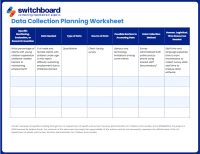
To deliver data-driven, evidence-based programs for refugees, we need to ask the right questions and gather the right information. To collect the most useful data, take time to carefully plan out what you want to know by identifying questions you want to answer. Be clear on why those questions matter, then identify the data you…

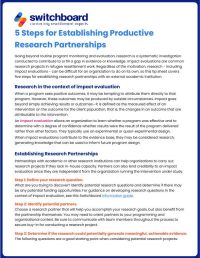
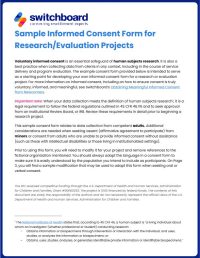
Does your organization aspire to do research? Going beyond routine program monitoring and evaluation, research is a systematic investigation conducted to contribute to or fill a gap in evidence or knowledge. Impact evaluations are common research projects in refugee resettlement work. Regardless of the motivation, research including impact evaluations can be difficult for an organization…

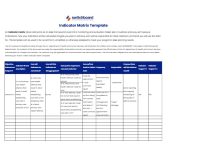
An indicator matrix (also referred to as a monitoring and evaluation framework) is ideally part of a monitoring and evaluation (M&E) plan, though it is often developed at the start of the grant or program. This tool outlines the data points you plan to use to measure the success of an intervention, known as indicators.…

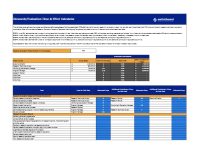
To be successful, evaluation and research projects must be adequately resourced. Allocating sufficient funds for the staff involved in the project, including members of your own team and any partners or consultants, is a crucial component of budgeting. The Research/Evaluation Time & Effort Calculator can help estimate the number and time and effort percentage of…

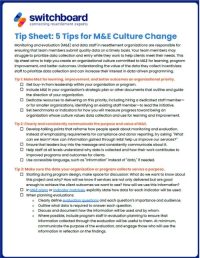
Monitoring and evaluation (M&E) and data staff in resettlement organizations are responsible for ensuring that team members submit quality data on a timely basis. Your team members may struggle to prioritize data collection and entry while they work to help clients meet their needs. This tip sheet aims to help you create an organizational culture…

This blog post was written by the Monitoring and Evaluation Technical Assistance (META) Project and is included as an archived post on the Switchboard blog. Transitioning to a new database can be a challenging process! While we know that every organization has staff with differing capacities and system roles, here are some general practices to…

To facilitate ongoing learning and project improvement, data analysis and action planning should be part of regular team meetings. This module is the fifth in a series of introductory e-learning modules on monitoring and evaluation (M&E). However, there are no prerequisites for completing this module. This module is also available in Arabic, courtesy of the…

This beginners-level webinar is intended for staff in all roles who don’t work with data every day but who want to learn basic steps to get started using the tools you already have. See below for an Excel file that includes all of the examples shown in this webinar and along with tips for making…

Evaluation questions, also called key evaluation questions or KEQs, are the high-level questions an evaluation project is designed to answer. KEQs are not the individual questions you ask during data collection, such as those used in a survey questionnaire, interview or focus group discussion. Instead, KEQs define what the project team seeks to learn and…