Population: Other

Refine Results

FIRST PUBLISHED
RESOURCE TYPE
TOPIC
TARGET AUDIENCE
PUBLISHED BY
POPULATION
LANGUAGE

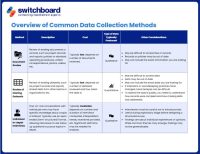
To deliver data-driven, evidence-based programs for refugees, we need to ask the right questions and gather the right information. Data collection methods determine the type of information we can gather and influence data quality, affect the conclusions we’re able to draw, and have budget implications. Each data collection method has its pros and cons. To…

To deliver data-driven, evidence-based programs for refugees, we need to ask the right questions and gather the right information. To collect the most useful data, take time to carefully plan out what you want to know by identifying questions you want to answer. Be clear on why those questions matter, then identify the data you…

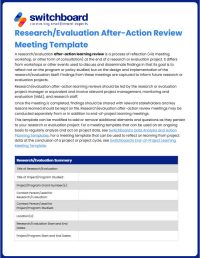
Does your organization aspire to do research? Going beyond routine program monitoring and evaluation, research is a systematic investigation conducted to contribute to or fill a gap in evidence or knowledge. Impact evaluations are common research projects in refugee resettlement work. Regardless of the motivation, research including impact evaluations can be difficult for an organization…

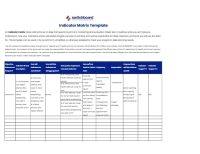
An indicator matrix (also referred to as a monitoring and evaluation framework) is ideally part of a monitoring and evaluation (M&E) plan, though it is often developed at the start of the grant or program. This tool outlines the data points you plan to use to measure the success of an intervention, known as indicators.…

To be successful, evaluation and research projects must be adequately resourced. Allocating sufficient funds for the staff involved in the project, including members of your own team and any partners or consultants, is a crucial component of budgeting. The Research/Evaluation Time & Effort Calculator can help estimate the number and time and effort percentage of…

TOPIC:

SUBTOPIC:

No subtopic applicable for this resource.

PUBLISHED BY:

The purpose of this study was to conduct a systematic review of the existing literature regarding trauma-informed education programs and their impact on academic and academic-related outcomes. The articles included for review (n=15) contained data on trauma-informed education programs implemented in preschool, primary/elementary, and high school settings. Academic and academic-related outcomes reported included attendance, disciplinary…

TOPIC:

SUBTOPIC:

No subtopic applicable for this resource.

PUBLISHED BY:

Exposure to trauma during childhood is highly prevalent. This review seeks to evaluate the current state of the literature in regard to trauma-informed care within the school setting. A number of models have been put forth to describe broad trauma-informed approaches integrated within school systems, which incorporate trauma sensitive care and practices within the broader…

TOPIC:

SUBTOPIC:

No subtopic applicable for this resource.

PUBLISHED BY:

The current review sought to describe the published literature relative to addressing trauma in schools. Through a systematic review of peer-reviewed publications as well as gray literature, we identified a total of 91 publications that were coded for study rigor as well as a number of intervention characteristics. Publications included in the review mentioned a…

TOPIC:

SUBTOPIC:

No subtopic applicable for this resource.

PUBLISHED BY:

This review sought to examine the effects of trauma‐informed schools on trauma symptoms/mental health, academic performance, behavior, and socioemotional functioning. The rresearchers sought the most rigorous studies (experimental and quasi-experimental designs). No studies met these inclusion criteria.

TOPIC:

SUBTOPIC:

No subtopic applicable for this resource.

PUBLISHED BY:

Childhood trauma can adversely impact academic performance, classroom behaviour, and student relationships. Research has gradually explored integrated approaches to care for traumatised students in schools. Increasingly, research has pointed to implementation of multi-tiered programs to trauma-informed care for traumatised students in schools. However, evaluations of these programs are limited and no systematic review of the…