TOPIC:

SUBTOPIC:

Helping newcomer clients navigate the U.S. health care system is both practical and important. This blog breaks down the five types of care, offers guidance on when to direct clients to each one, and includes client-facing resources to help newcomers orient themselves. For refugees and other newcomers, the U.S. health care system may look different […]

TOPIC:

SUBTOPIC:

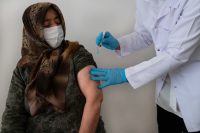
Immunizations (also called vaccinations) can help keep communities safe and healthy, especially with the changing of seasons. As we move into the winter months, respiratory illnesses like flu, COVID-19, RSV, and pneumonia become more common. The following blog post contains answers to six questions on common illnesses and vaccines for this time of year. As […]

The Society of Refugee Healthcare Providers organizes the International Refugee & Migration Health Conference (IRMHC), which is the largest refugee health conference globally. Annually, IRMHC brings together health care professionals, resettlement and service providers, researchers, community members, students, policy makers, and public health professionals. The 2025 IRMHC was hosted in Halifax, Nova Scotia, Canada, and […]

Mental health services in the United States can be challenging to access and navigate for many individuals. For refugees and newcomers, these challenges are often compounded by additional barriers related to language, stigma, and the stressors of displacement and resettlement. While there are no easy one-size-fits-all solutions, there are meaningful ways you can support clients […]

Newcomer adolescents (10–19 years old) and youth (15–24 years old) face distinct challenges as they navigate young adulthood in a new environment. Service providers can play a pivotal role in supporting this demographic by implementing tailored strategies. This blog post outlines key recommendations for supporting youth health needs in a family-centered, trauma-informed, and culturally responsive […]

Refugee and immigrant children often arrive in the U.S. with unique health care needs and experiences shaped by trauma, displacement, and cultural transition. Service providers play a critical role in ensuring the health, safety, and integration of newcomer children. This blog post outlines key recommendations for supporting newcomer children and their families’ health needs in […]

When screening newcomer clients for depression, anxiety, and post-traumatic stress disorder (PTSD), service providers need mental health screening tools that are simple and easy to use. Below we provide a brief introduction to these tools and links to resources with further information. With appropriate training, referral networks, and organizational support, these tools can be applicable […]

Wondering how you can help prepare newcomers for emergencies? Take a proactive approach! Newcomers should be familiar with local emergency protocols and available resources. Provide guidance about potential risks, share videos and tips on preparedness, and inform newcomers about how to access available support before, during, and after emergencies. You may also assist clients in […]

Wondering how you can help prepare newcomers for emergencies? Take a proactive approach! Newcomers should be familiar with local emergency protocols and available resources. Provide guidance about potential risks, share videos and tips on preparedness, and inform newcomers about how to access available support before, during, and after emergencies. You may also assist clients in […]

TOPIC:

SUBTOPIC:

PUBLISHED BY:

Newcomers may experience multiple challenges accessing health care, including systemic issues rooted in inequities. As described in our blog post What is Health Case Management?, service providers play a critical role in supporting clients to overcome challenges and advocate for their health. This blog post details tips for assisting clients with three specific challenges: transportation, […]