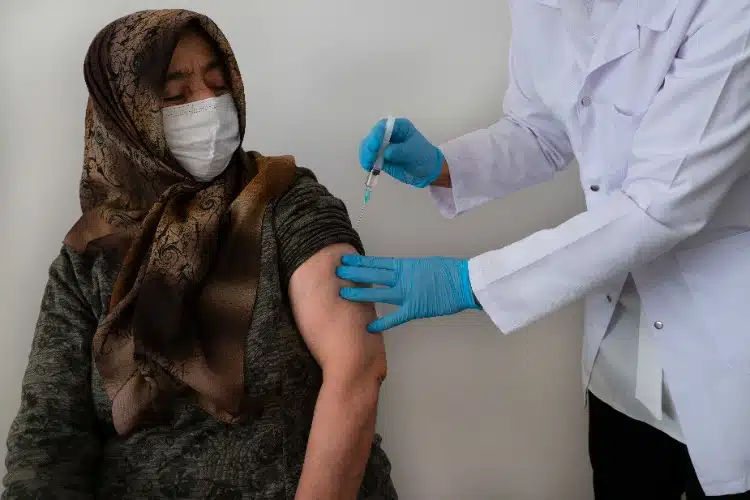
Immunizations (also called vaccinations) can help keep communities safe and healthy, especially with the changing of seasons. As we move into the winter months, respiratory illnesses like flu, COVID-19, RSV, and pneumonia become more common. The following blog post contains answers to six questions on common illnesses and vaccines for this time of year.
As trusted messengers, service providers can help facilitate refugees’ and newcomers’ knowledge of immunizations and access to them. Getting vaccinated before winter peaks can help protect all of us, our families, and our communities. Here are some common questions that you may field from clients and how you can answer them.
1. Why are vaccines important?
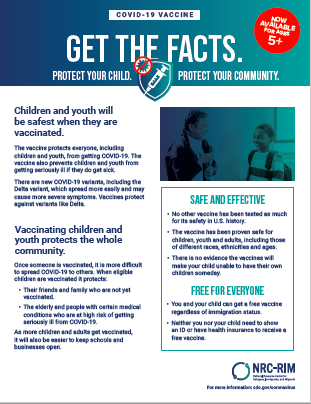
Vaccines are important because they are one of the most effective ways to prevent diseases. Vaccines build strong protection against diseases that could otherwise lead to serious health complications, be life-threatening, or cause life-long health problems. A person who gets vaccinated is not only protecting themselves; they are also protecting their loved ones and members of their community who cannot get vaccinated or who are more at risk of becoming seriously ill from a disease (for example, babies, elders, and those with compromised immune systems).
Getting vaccinated also reduces the risk of getting a disease that will cause a person to miss days of daycare, school, or work.
2. Are vaccines safe?
Extensive studies have shown that vaccinations are safe, effective, and have saved millions of lives. Before being approved, vaccines are tested for their safety, quality, and efficacy (how well they work at preventing the disease in a trial setting) through rigorous clinical trials. Health authorities then review these results before determining if a vaccine is safe and effective to use in the general population. Vaccines are continuously monitored to ensure their ongoing safety.
Misinformation about vaccines is prevalent on the Internet and social media. People, including refugee and newcomer community members, often respond better to health information shared through trusted messengers. Trusted messengers differ for each individual and can include faith leaders, health care providers, families and friends, recognized community leaders, social media influencers, and service providers.
Sharing accurate information helps individuals make informed decisions about their health and helps guide their health-related behaviors. Service providers can help newcomers access evidence-based information from reputable resources, including certain health-based organizations or trusted health care providers.
3. What are the common vaccines for the winter season?
During this time of year, several respiratory illnesses become more common, and vaccines can help protect against them. Four key vaccines for the winter season are:
Influenza (flu): The flu is a contagious respiratory virus that can cause symptoms such as fever, cough, body aches, sore throat, runny nose, and more. Flu can range from mild to severe, and one of the best ways to prevent flu is by getting the annual flu vaccine.
COVID-19:
COVID-19 is an illness that can cause respiratory symptoms similar to a cold, flu, or pneumonia and can range from mild to severe. A person can have COVID-19 and not be aware, which can increase the risk of spreading the virus to others. The updated COVID-19 vaccine is a safe and effective way to protect against the most serious symptoms of COVID-19.
RSV (respiratory syncytial virus):
RSV is a common respiratory virus that can be especially dangerous for infants, older adults, and people with certain health conditions. Vaccines are now available for adults 60 and older, and those who are pregnant can get vaccinated to protect their newborns during their vulnerable first months of life.
Pneumonia (pneumococcal disease): The pneumococcal vaccines protect against bacterial pneumonia and other related infections. While pneumococcal vaccines can be given year-round, getting vaccinated before winter is especially important. Pneumonia becomes more common during winter months and can lead to serious complications, particularly for older adults, young children, and people with weakened immune systems or chronic health conditions.
4. What are the considerations for someone who is pregnant?
During pregnancy, vaccines like Tdap (tetanus, diphtheria, and acellular pertussis (whooping cough)), flu, COVID-19, and RSV are especially recommended. These vaccines are safe, effective, and particularly important during pregnancy to protect both the mother and baby. The Tdap and RSV vaccines given during pregnancy pass protection to the baby, helping protect newborns during their first few months when they are most vulnerable to severe RSV infection and/or whooping cough. Consult your health care provider about the appropriate immunizations to take during pregnancy, as recommendations may vary based upon the time of year pregnancy occurs.
5. Why do some vaccines need to be given more than once?
Vaccines help your body build protection against a disease. Some vaccines build that protection through one dose. Other vaccines need multiple doses over a certain length of time to build lasting immunity.
Your health care provider may also recommend that you get a booster. Boosters are available for several vaccines to help strengthen and extend protection against a disease for those who received the initial vaccination in the past.
There are some vaccines, such as the flu and COVID-19, that people need to get every year. That is because the viruses that cause the flu and COVID-19 are constantly changing. Scientists are continuously updating the vaccines to help our bodies build protection against the latest versions of the flu and COVID-19.
6. Where can people access vaccines?
There are different locations where people can get their vaccinations. You can try your local health care provider, local pharmacies, federally qualified health centers (FQHCs), local health departments, and vaccine drives. Most health insurance plans cover vaccines as preventative care. Learn more about the 2025–2026 flu season and influenza vaccine here.
Conclusion
Staying up to date on recommended immunizations is one of the most effective ways to protect yourself, your family, and your community, especially during seasons when illnesses like the flu and COVID-19 are more common. As people make decisions about flu, COVID-19, and other routine vaccines, turning to trusted health care providers and reputable health organizations remains essential.
Service providers and others looking to support broader vaccination efforts can consider collaborating with local health departments, clinics, or community partners to host vaccine clinics in trusted spaces such as community-based organizations or faith settings. Together, these efforts help create safer, healthier environments for everyone.
Resources
American Academy of Pediatrics: Recommended Child and Adolescent Immunization Schedule, updated 2025
MedlinePlus: Influenza vaccination information, including Spanish translations
MedlinePlus: COVID-19 vaccination information, including Spanish translations
Immunize.org: Vaccine Information Statement Translations Index
Settle In: Vaccines Save Lives, including translations in 11 languages
Switchboard: Understanding U.S. Domestic Medical Screening for Refugees and Other Newcomers
World Health Organization: Recommended Routine Immunizations for Children, updated January 2025
The IRC received competitive funding through the U.S. Department of Health and Human Services, Administration for Children and Families, Grant #90RB0053. The project is 100% financed by federal funds. The contents of this document are solely the responsibility of the authors and do not necessarily represent the official views of the U.S. Department of Health and Human Services, Administration for Children and Families.